The Allure of High-Stakes Gaming
High-stakes casino gaming captivates players with the promise of significant financial rewards. This potential for sizable winnings is intertwined with the thrill of risk-taking, which stimulates the brain’s reward center, creating a euphoric experience. The allure is not just about the money; it also encompasses the atmosphere, the glamour of the casino, and the social interaction that comes with real money online casinos.
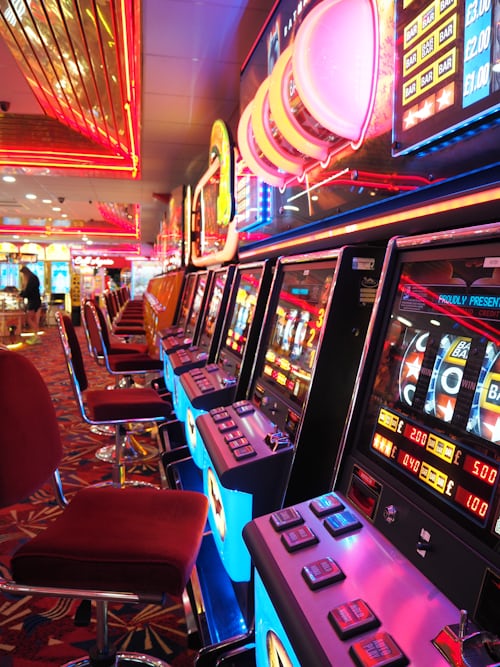
The emotional rush experienced during high-stakes games can often translate into addiction. Players may find themselves chasing losses or replaying their victories in their minds, reinforcing their desire to return for more. Understanding this psychological interplay is essential for both players and operators in creating a responsible gambling environment.
The Role of Risk and Reward
The psychology of risk and reward is a central theme in high-stakes casino gaming. Players often engage in complex calculations when assessing their chances of winning, weighing the potential rewards against the risks involved. This process can create a sense of control, leading players to feel more confident in their decisions, despite the inherent uncertainty of gambling outcomes.
Furthermore, the excitement generated by high stakes can lead to impulsive behavior. The adrenaline rush associated with making large bets can cloud judgment, prompting players to stake more than they initially intended. This cycle highlights the delicate balance between calculated risk and reckless behavior, a critical factor in understanding the psychology of gambling.
Cognitive Biases and Gambling Behavior
Cognitive biases play a crucial role in how players perceive their gambling activities. For example, the illusion of control can lead individuals to believe they have more influence over the outcome than they actually do. This can drive them to continue playing even when faced with losses, as they rationalize their decisions based on past successes or strategies they believe are effective.
Additionally, the concept of cognitive dissonance often manifests in gambling scenarios. Players may experience discomfort when their betting behavior does not align with their personal beliefs about gambling. To alleviate this tension, they might change their perceptions of gambling, reinforcing the notion that they can recoup losses or achieve financial stability through continued play.
The Social Dynamics of Gambling
The social environment within casinos significantly influences the high-stakes gaming experience. Interaction with other players, as well as dealers, can create a community feel that enhances the excitement of the game. This social aspect can lead to heightened emotions and collective decision-making, which can impact individual behaviors and betting patterns.
Moreover, peer pressure can play a significant role in high-stakes gambling. Players may feel encouraged to increase their bets due to the actions of those around them, leading to a soaring sense of competition. This dynamic can amplify both the enjoyment and the risks associated with gambling, highlighting the psychological factors that drive individuals to partake in high-stakes gaming.

Elevate Your Gaming Experience with Knowledge
Understanding the psychology behind high-stakes casino gaming is crucial for players looking to navigate this thrilling world responsibly. By comprehending the emotional and cognitive factors at play, individuals can make informed decisions that enhance their gaming experiences. Whether you are a seasoned player or a newcomer, acknowledging these psychological elements can help ensure that your time spent gambling is enjoyable and within healthy boundaries.
For players seeking to elevate their online gambling experiences, our comprehensive guide provides valuable insights and rankings of the best online casinos. With our expert analysis and detailed reviews, you’ll be equipped with the knowledge needed to make choices that suit your preferences and gaming style, ensuring a rewarding and safe gaming journey.